Where Sustainability Meets Performance.
Pioneering the next generation of biobased performance polymers and fibers.
A New Material Direction for Textiles.
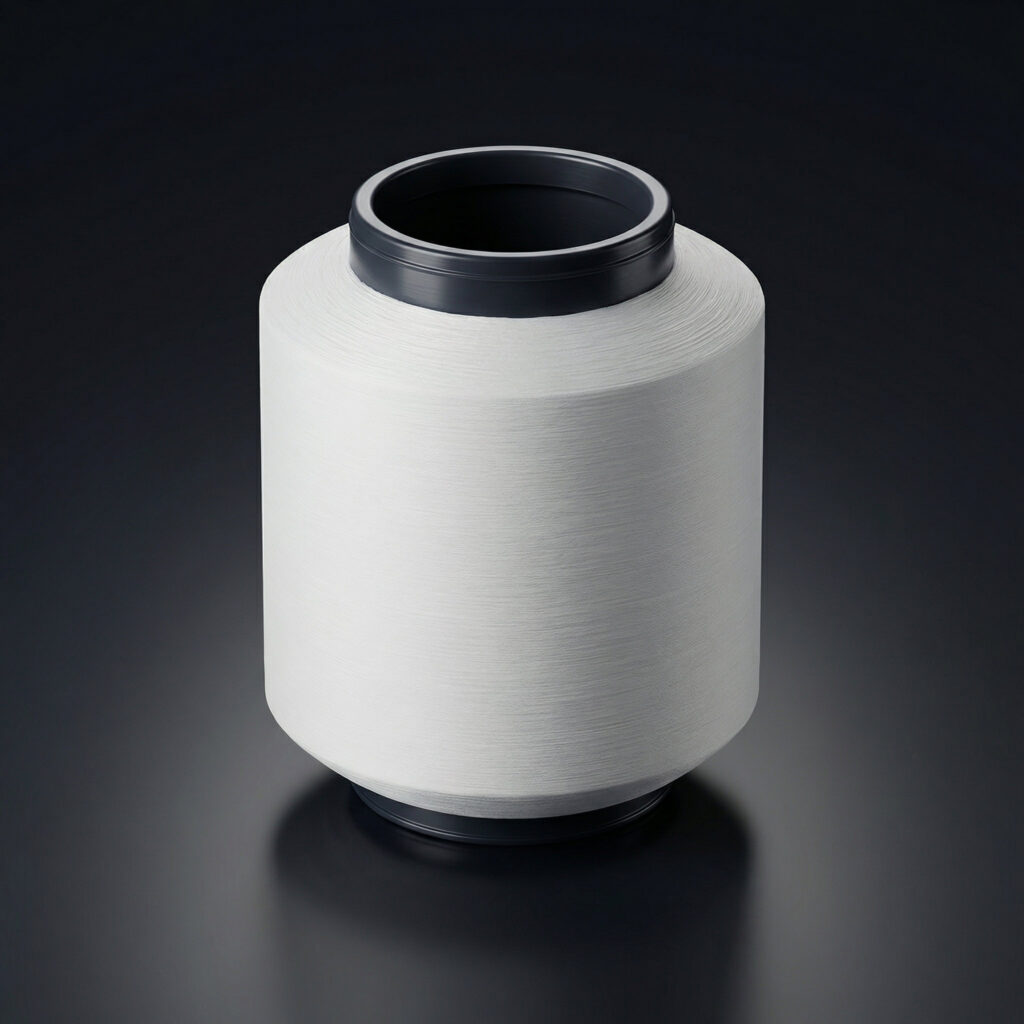
Mariva™ is shaping the next generation of biobased performance polymers for fibers, engineered for use in technical textiles, apparel and footwear.
As regulatory pressure intensifies and brands are challenged to deliver real, measurable impact, the industry is moving beyond incremental change. Biobased materials and circularity are no longer future ambitions, but immediate priorities. Meeting this shift requires new material solutions, not just refined versions of the past.

Rooted in Polymer Science & Fiber Innovation.
Born out of the Senbis Group in the Netherlands, Mariva™ builds on a strong foundation in polymer development and melt-spinning expertise. It brings together deep technical knowledge with a clear vision for the future of fiber and textile applications. With performance and sustainability at it’s core, Mariva™ was created to help shape a new generation of materials designed for impact at scale.
Yesterday’s materials do not solve tomorrow’s demands.
For decades, the textile industry has relied on fossil-based fibers such as polyester and polyamide for their performance, versatility and scale. But the system they were built on is facing growing environmental pressure and structural limitations:
Microplastic pollution
Synthetic textiles are a major source of microplastic pollution, releasing persistent particles into soil and marine ecosystems.
Fossil dependency
Synthetic textiles are a major source of microplastic pollution, releasing persistent particles into soil and marine ecosystems.
Circularity is still a challenge
Synthetic textiles are a major source of microplastic pollution, releasing persistent particles into soil and marine ecosystems.
Scalable alternatives remain limited
Synthetic textiles are a major source of microplastic pollution, releasing persistent particles into soil and marine ecosystems.
Microplastic pollution
Synthetic textiles are a major source of microplastic pollution, releasing persistent particles into soil and marine ecosystems.
Fossil dependency
Synthetic textiles are a major source of microplastic pollution, releasing persistent particles into soil and marine ecosystems.
Circularity is still a challenge
Synthetic textiles are a major source of microplastic pollution, releasing persistent particles into soil and marine ecosystems.
Scalable alternatives remain limited
Synthetic textiles are a major source of microplastic pollution, releasing persistent particles into soil and marine ecosystems.
More than a fiber.
A new material category.
Mariva™ is more than a fiber. It’s a new polymer platform designed for the future of textiles. Built on proprietary biobased polymer chemistry, Mariva™ is specifically designed to:
Reduce
dependency
on fossil-based
materials
Meet the
performance
standards
expected by
leading brands
No microplastics
through biodegradation
in marine and soil
environments
Enable improved
end-of-life scenarios through chemical
recycling
Provide a realistic
pathway to scale through
drop-in technology
This combination is what sets it apart. Many alternatives compromise on performance, cost or scalability. Mariva™ is engineered to balance all three, making it a credible, scalable and adoptable solution for the textile industry.
Defined by what it delivers.
Engineerd for Performance
Biobased by design
Reducing microplastics
Enabled for chemical recycling
A realistic pathway to scale.
Scalable trough drop-in technology
Built for circularity
Founders
Gerard Nijhoving
Founder, CEO
Kasper Nossent
Co-founder, CCO
Team
Jeroen van der Vlist
Textile Engineer & Polymerexpert
Mohammadreza Naeimirad
Textile Engineer & Polymerexpert
Jurjen Hendriks
Marketing & Branding
Shivam Gusain
Textile Dyeing & Finishing Expert